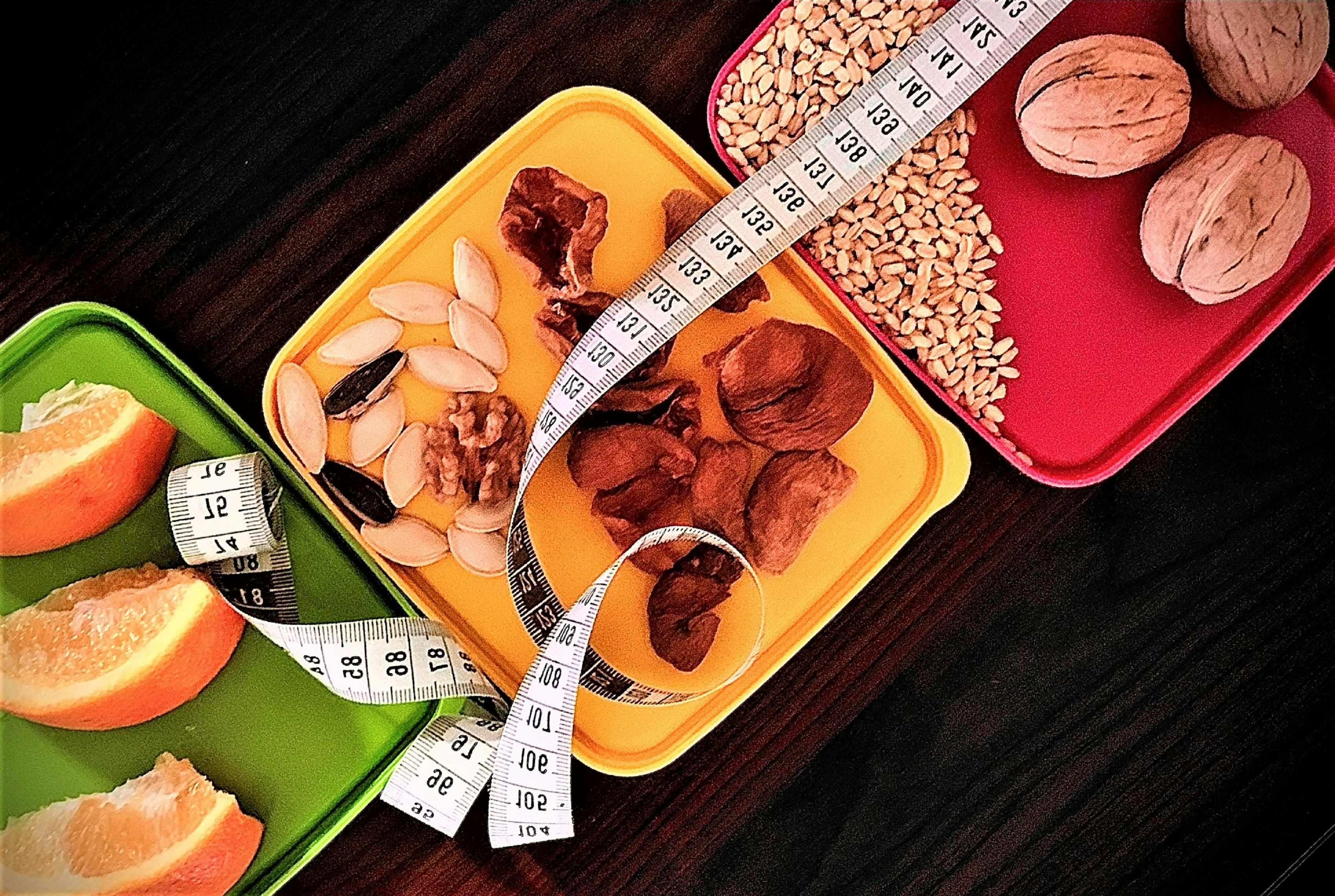
Introduction to Fitness Diet Misconceptions
The fitness community is often surrounded by dietary misconceptions that can significantly impact individuals’ health and training efficacy. Misinformation regarding nutrition is prevalent, leading many to adopt eating habits that may hinder their fitness journeys instead of supporting them. These misconceptions can stem from various sources, including social media, anecdotal advice, and even misleading marketing strategies from supplement companies. As a result, individuals may find themselves confused about what constitutes a healthy diet for their specific fitness goals.
One of the most common misconceptions is the over-reliance on supplements, such as protein powders, to meet dietary needs. Many individuals mistakenly believe that these products are essential for muscle growth and recovery. While protein plays a critical role in these processes, it is crucial to recognize that whole foods, including lean meats, dairy, legumes, and nuts, can provide the necessary nutrients in a more balanced manner. Furthermore, excessive focus on supplements can lead to neglecting other important food groups, particularly carbohydrates, which are vital for providing the energy required during workouts and throughout the day.
Another significant issue is the misunderstanding of carbohydrate consumption. Many fitness enthusiasts fear carbohydrates, associating them with weight gain or decreased performance. However, carbohydrates are an essential source of energy for the body, especially during high-intensity training. Proper carbohydrate intake can optimize performance and recovery, making it a key component of any balanced fitness diet. Moreover, these misconceptions can lead to restrictive diets that may not only be unsustainable but can also result in nutritional deficiencies.
By dissecting these widespread dietary myths, we can create a foundation for more informed and balanced eating habits within the fitness community. Understanding the truth behind these misconceptions is vital for anyone looking to support their fitness journey effectively.
The Protein Trap: More Isn’t Always Better
In the fitness community, there exists a prevalent belief that an increased protein intake directly correlates with enhanced performance and muscle growth. This notion has led many enthusiasts to indiscriminately increase their protein consumption, often through supplements such as protein powders, overlooking the significance of whole food sources. However, understanding the body’s actual protein requirements is crucial to debunking this myth.
Protein is essential for muscle repair and growth; however, the average adult requires about 0.8 grams of protein per kilogram of body weight to maintain muscle health. Fitness enthusiasts and athletes may benefit from slightly higher protein intake—generally ranging from 1.2 to 2.0 grams per kilogram, depending on their activity levels and goals. This need can often be met through a balanced diet that includes various whole food sources, such as lean meats, dairy, legumes, nuts, and seeds. Relying heavily on protein powders may provide convenience, but it can also lead to nutritional imbalances.
Moreover, excessive protein consumption can have adverse effects on the body. One of the key repercussions of a high-protein diet can be increased strain on the kidneys, as they work to filter out the byproducts generated from protein metabolism. This risk is particularly relevant for individuals with pre-existing kidney conditions. Additionally, a diet heavily skewed toward protein might lead to insufficient intake of other vital nutrients found in carbohydrate and fat sources, such as vitamins, minerals, and fiber. Seeking a well-rounded, nutrient-dense diet is paramount for achieving optimal fitness results rather than fixating solely on protein.
Hence, understanding that more protein doesn’t always equate to better results is vital for anyone dedicated to their fitness journey. A balanced approach that prioritizes quality food sources while addressing individual protein needs is likely to yield more sustainable and healthful outcomes.
Carbohydrates: The Misunderstood Nutrient
Carbohydrates have long been subjected to negative connotations, often viewed as detrimental to health and fitness regimens. This perception can lead individuals to eliminate or significantly reduce their carbohydrate intake, which can have adverse effects on performance and overall well-being. In reality, carbohydrates serve as the primary energy source for the body, particularly during workouts that demand high levels of intensity and endurance.
During physical activities such as running, swimming, or cycling, carbohydrates are broken down into glucose, which is then utilized by our muscles as fuel. This process is crucial in sustaining performance, especially during extended periods of exercise when the body requires a quick and readily available source of energy. Inadequate carbohydrate intake may result in fatigue, reduced performance, and hinder progress toward fitness goals.
It is also essential to distinguish between complex and simple carbohydrates. Complex carbohydrates, found in whole grains, legumes, and vegetables, are digested slowly, providing a steady source of energy and promoting feelings of fullness. In contrast, simple carbohydrates, typically found in processed foods and sugary snacks, may provide immediate energy but often result in rapid spikes and crashes in blood sugar levels. Thus, one should focus on incorporating healthy carbs into their fitness diet—prioritizing complex carbohydrates while limiting the intake of simple sugars.
By understanding the crucial role that carbohydrates play in fueling fitness activities, individuals can make informed dietary choices that enhance their overall performance and support their health objectives. Emphasizing the importance of healthy carbohydrates in a balanced diet should be a primary goal for anyone looking to optimize their fitness journey. In conclusion, rather than shying away from carbohydrates, embracing the right types of this nutrient is paramount for achieving fitness success.
Fats Are Your Friends: Embracing Healthy Fats
Despite the longstanding belief that all fats contribute negatively to health and fitness, it is essential to recognize that certain types of fats are, in fact, beneficial and necessary for overall well-being. Healthy fats play a crucial role in various bodily functions, ranging from hormone regulation to nutrient absorption, thus making them an indispensable component of a balanced diet.
One of the primary roles of healthy fats is their involvement in hormone production. Hormones such as testosterone and estrogen, which are vital for muscle recovery, metabolism, and overall health, rely on fat for their synthesis. Additionally, fats facilitate the absorption of fat-soluble vitamins such as A, D, E, and K. Without adequate healthy fat intake, the body may struggle to utilize these essential nutrients effectively.
Furthermore, including healthy fats in your diet can provide long-lasting energy to fuel workouts and daily activities. Unlike simple carbohydrates that may lead to quick energy spikes followed by crashes, healthy fats offer a stable source of energy. This endurance is particularly beneficial for those engaged in prolonged physical activities or rigorous training programs.
Examples of healthy fat sources include nuts, seeds, avocados, olive oil, and fatty fish like salmon. These foods not only contain beneficial omega-3 and omega-6 fatty acids but also come with additional nutritional benefits such as fiber, protein, and various vitamins. Integrating these foods into your meals ensures that you are not only meeting your energy needs but also supporting overall health and performance.
Incorporating healthy fats into your fitness diet is not just about dispelling myths; it is a proactive approach to enhancing physical performance and achieving long-term health. Embracing the right kinds of fats can significantly contribute to your fitness journey, supporting both body and mind.
The Role of Micronutrients in Fitness Performance
While macronutrients such as proteins, fats, and carbohydrates often steal the spotlight in discussions about nutrition and fitness, the importance of micronutrients—vitamins and minerals—should not be underestimated. These essential nutrients play crucial roles in numerous bodily functions that directly affect fitness performance, health, and recovery.
Micronutrients contribute to energy production, muscle contraction, and oxygen transport, thereby facilitating exercise. Vitamins such as B-complex play a vital role in converting the foods we eat into usable energy, which is essential for sustained physical activity. Additionally, minerals like calcium and magnesium are critical for muscle function, helping to prevent cramps and facilitate efficient contractions. The presence of adequate micronutrient levels not only supports optimal performance but also aids in post-exercise recovery, allowing the body to repair and rebuild muscle tissue.
Moreover, certain vitamins and minerals possess antioxidant properties, protecting the body from oxidative stress induced by rigorous workouts. For instance, vitamin C and vitamin E help combat free radicals, which can lead to muscle damage and fatigue, thus promoting overall recovery. Including a variety of fruits, vegetables, and whole grains in one’s diet is a strategic way to ensure adequate micronutrient intake.
Fitness enthusiasts are encouraged to consider foods rich in these essential vitamins and minerals. Leafy greens such as spinach and kale are excellent sources of vitamins A, C, and K, while nuts and seeds provide a wealth of magnesium and vitamin E. Additionally, fruits like oranges and berries deliver vital antioxidants, keeping the immune system robust and ready to handle the stresses of training. Ultimately, a well-rounded diet that includes a variety of nutrient-dense foods will support recovery, enhance performance, and contribute to long-term health in one’s fitness journey.
Hydration: The Foundation of Nutrition
Hydration is often overlooked in discussions about nutrition and fitness, yet it serves as the cornerstone of effective dietary practices. Proper hydration is essential not only for maintaining overall health but also for enhancing performance during physical activities. Many individuals mistakenly believe that feeling thirsty is an adequate measure of one’s hydration status. However, thirst can often be a poor indicator, as by the time one feels thirsty, the body may already be experiencing dehydration.
Water plays a critical role in numerous bodily functions, including temperature regulation, nutrient transportation, and waste elimination. When engaging in physical exercise, the body’s demand for water increases, primarily due to perspiration and respiratory loss. As such, staying hydrated before, during, and after workouts is crucial for sustaining energy levels, maintaining focus, and ensuring optimal performance.
In addition to water, electrolyte balance also plays a pivotal role in hydration. Electrolytes such as sodium, potassium, and magnesium help regulate fluid balance, muscle contractions, and nerve signaling. It is essential to replenish these minerals, particularly after extended periods of sweating, to avoid muscle cramping and fatigue. Consuming beverages that contain electrolytes or incorporating electrolyte-rich foods can further support hydration efforts.
Moreover, understanding individual hydration needs can enhance fitness outcomes. Factors such as exercise intensity, duration, and environmental conditions all impact how much fluid one requires. Keeping a hydration log or using apps to track fluid intake can be beneficial for athletes aiming to optimize their performance. By prioritizing hydration and debunking myths surrounding it, individuals can greatly enhance their fitness journey, leading to improved endurance and recovery.
Creating a Nutritional Balance: The Importance of Meal Planning
Achieving a balanced diet is fundamental to supporting any fitness journey. Meal planning plays a pivotal role in ensuring that individuals consume an adequate variety of foods that not only provide essential nutrients but also align with their fitness goals. A strategically organized meal plan helps lay the foundation for consistent nutritional intake while minimizing the risk of poor dietary choices.
To create a successful meal plan, one should emphasize the importance of nutrient-dense foods, which includes colorful vegetables, whole grains, lean proteins, and healthy fats. Each meal should ideally include a source of protein, such as chicken, fish, or legumes, to support muscle repair and growth. Carbohydrates, found in fruits, vegetables, and whole grains, should also be a key component, as they are crucial for providing energy during workouts and throughout the day.
Healthy fats, which can be sourced from nuts, seeds, avocados, and olive oil, are vital for hormone production and overall cellular health. Incorporating a variety of foods not only enhances the nutritional profile of meals but also makes them visually appealing and satisfying. When constructing a meal plan, aim for a colorful plate; the inclusion of various fruits and vegetables ensures a broad spectrum of vitamins, minerals, and antioxidants, promoting optimal recovery and performance.
Preparing meals in advance can help maintain dietary integrity even during busy weeks. Batch cooking and portioning meals into containers ensures that healthy options are readily available, lowering the temptation to opt for unhealthy convenience foods. Ultimately, effective meal planning is a proactive approach to nutrition; it supports a balanced diet while simultaneously fueling fitness pursuits and enhancing overall well-being.
Recommended Foods for Fitness Enthusiasts
When it comes to supporting an active lifestyle, selecting the right foods is crucial for fitness enthusiasts. Understanding macronutrient contributions can aid individuals in making informed dietary choices that complement their training regimes. Below, we categorize various foods based on their primary macronutrient profiles: carbohydrates, proteins, and fats.
Carbohydrates
Carbohydrates serve as the body’s primary energy source, making them essential for those engaged in physical activities. Whole grains such as quinoa, brown rice, and oats provide complex carbohydrates that sustain energy levels during prolonged workouts. Moreover, incorporating fruits like bananas, apples, and berries can offer quick energy boosts before or after exercise. Ideally, these carbohydrate sources should be integrated into meals, such as a bowl of oatmeal with sliced fruits for breakfast or a quinoa salad with various vegetables for lunch.
Proteins
Proteins are fundamental for muscle repair and growth, making them vital for fitness enthusiasts. Lean meats like chicken and turkey, as well as plant-based sources such as lentils, chickpeas, and tofu, contribute significantly to daily protein needs. Incorporating a source of protein in every meal can enhance muscle recovery post-exercise. A typical example includes grilled chicken with steamed broccoli for dinner or a smoothie with protein powder and spinach as a nutritious snack during the day.
Fats
Healthy fats play an indispensable role in overall health, providing energy and supporting cellular function. Sources such as avocados, nuts, seeds, and olive oil are beneficial additions to a fitness diet. These fats can be easily incorporated into meals; for instance, adding almond butter to smoothies or using olive oil as a dressing for salads can enhance nutrient intake while providing flavor. Ensuring a balanced approach to fats is essential for maintaining optimal performance and recovery.
In conclusion, selecting the right nutritious foods can significantly fuel your fitness journey. By making informed choices about carbohydrates, proteins, and fats, individuals can optimize their dietary habits to support an active and healthy lifestyle.
Debunking the Myths: A Call to Action for Healthier Choices
As we explore the intersection of fitness and nutrition, it is pivotal to challenge and debunk many prevalent myths surrounding dietary choices. A well-rounded diet forms the cornerstone of optimal performance and overall health. While it is common to encounter various food fads and misleading information, a critical evaluation of these claims can empower individuals to make informed decisions about their nutrition.
Key to nurturing our bodies for fitness is recognizing the importance of whole foods. These nutrient-dense options not only provide essential vitamins and minerals but also promote sustained energy levels during physical activities. Instead of succumbing to the allure of processed foods, which often promise quick results, individuals should focus on incorporating natural sources of energy into their meals. This shift contributes significantly to enhancing both mental clarity and physical endurance.
Moreover, the role of macronutrients—carbohydrates, proteins, and fats—cannot be overstated. Carbohydrates serve as the primary fuel source for rigorous workouts, while proteins are essential for muscle recovery and growth. Healthy fats, on the other hand, provide lasting energy and support cellular functions. Balancing these macronutrients according to one’s fitness regime plays a crucial role in achieving desired results.
Additionally, hydration is an integral aspect of any fitness journey. Often overlooked, water intake can significantly impact physical performance and recovery. Thus, individuals should prioritize their hydration needs, especially before, during, and after exercise, to sustain energy levels and optimize recovery.
In conclusion, transitioning towards a balanced, evidence-based diet tailored to one’s fitness ambitions is not merely an option; it is a necessity. By actively questioning outdated beliefs and focusing on nutritious choices, individuals can significantly enhance their fitness outcomes. It is time to embrace a holistic approach to nutrition and commit to healthier dietary practices that truly fuel our fitness journeys.