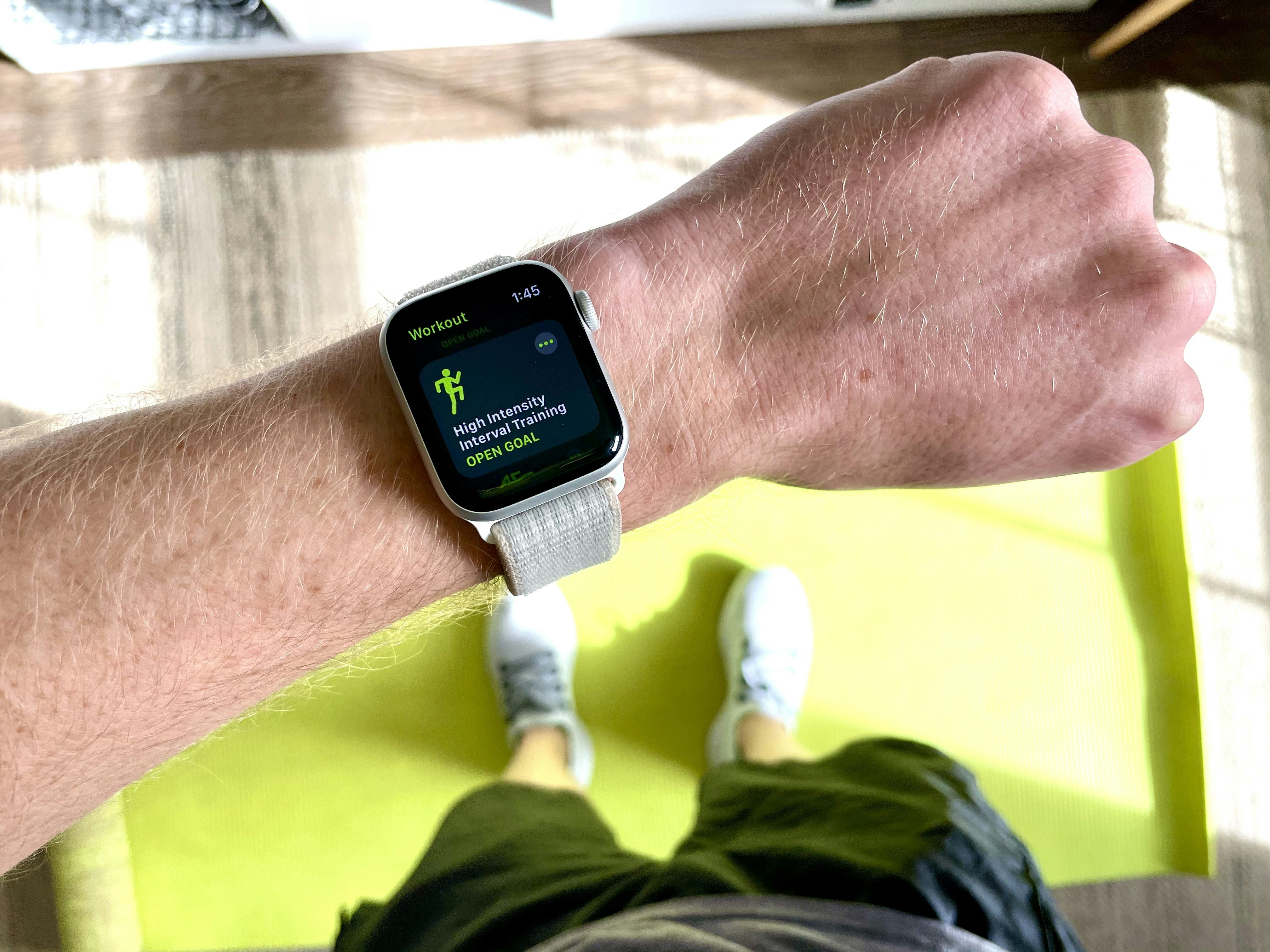
Redefining Exercise: What It Means to Be Active
The concept of exercise has traditionally been associated with structured workouts performed within the confines of a gym. However, to foster a truly active lifestyle, it is crucial to broaden this perspective. Exercise expansively encompasses all forms of physical activity that can be seamlessly integrated into daily routines, emphasizing movement in various contexts rather than formal workout sessions alone.
An active lifestyle can be defined as engaging in a variety of physical activities that promote movement throughout the day. This includes, but is not limited to, walking or cycling to work, taking the stairs instead of the elevator, gardening, playing with children, or participating in recreational sports. When viewed through this lens, exercise transforms from a scheduled duty into a collection of joyful activities that enrich everyday life and enhance overall well-being.
Psychologically, regular engagement in diverse forms of movement can lead to improvements in mood, reduced stress levels, and increased energy. The endorphins released during physical activity promote feelings of happiness and satisfaction, reinforcing the idea that being active is not merely a task but can be a source of joy and fulfillment. By redefining exercise, individuals can unlock a richer, more active life, embracing movement as an integral part of their daily existence.
Incorporating Movement into Your Daily Routine
Incorporating movement into an active lifestyle can be achieved through simple adjustments to your daily routine. Making conscious choices to include physical activity can transform seemingly mundane tasks into valuable opportunities for exercise. One effective strategy is biking to work, which not only promotes cardiovascular health but also reduces reliance on motorized transport. Commuting by bike integrates physical activity seamlessly into your day, enabling you to arrive at the office energized and focused.
Another practical suggestion is to walk during your lunch breaks. Instead of remaining sedentary during this time, consider taking brief strolls around your workplace or a nearby park. Walking not only increases your step count but also enhances mental clarity and improves mood. Engaging in these walking breaks can foster a refreshing atmosphere, which benefits both productivity and overall well-being.
Choosing the stairs instead of the elevator presents another opportunity to infuse movement into your daily routine. This simple act can significantly contribute to your fitness goals. Climbing stairs provides a vigorous workout for your lower body and engages core muscles, supporting strength and endurance. It’s an easy decision that contributes to an active lifestyle without the need for a dedicated workout.
Moreover, consider incorporating stretching or basic exercises throughout your day. Taking a few moments to stretch if you have been sitting for extended periods can alleviate fatigue, enhance flexibility, and promote circulation. Simple exercises, such as desk push-ups or seated leg raises, can fit seamlessly into your workday without requiring extensive time. These small but important changes foster a habit of movement that feels achievable.
Ultimately, by making deliberate choices to integrate these activities into your routine, you can cultivate an enduring active lifestyle that enriches your health without overwhelming your schedule.
Weekend Warriors: Fun Outdoor Activities to Stay Active
Embracing an active lifestyle extends beyond the walls of a gym. Many individuals seek to incorporate fitness into their weekends through enjoyable outdoor activities. Weekends provide an excellent opportunity to engage in recreational pursuits that foster both physical well-being and social connections. One such activity is hiking, which allows participants to explore the beauty of nature while enjoying cardiovascular benefits. Trails of varying difficulty offer options for beginners and experienced hikers alike, making this a versatile choice for all fitness levels.
In addition to hiking, playing sports with friends or family constitutes a fantastic way to stay active. Whether it is a casual game of soccer, basketball, or ultimate frisbee, these sports not only provide a cardiovascular workout but also encourage teamwork and camaraderie. Such group activities can help strengthen relationships while promoting a healthy competitive spirit. Participants can organize matches at local parks or join community leagues for a more structured approach.
Moreover, biking adventures can serve as both an enjoyable pastime and an effective form of exercise. Exploring local bike paths or scenic routes can turn a weekend into an exciting journey. Cyclists can experience the surrounding landscape while reaping the benefits of lower body strength and endurance. For those who prefer communal activities, many communities host biking events, encouraging both novices and seasoned riders to come together.
Outdoor fitness classes, like group runs or yoga in the park, also present excellent opportunities for individuals looking to enhance their physical activity levels. Such sessions provide structured environments with the added benefit of group support. These classes can help build community while participants engage in mindful movement, cultivating both physical fitness and mental clarity.
Creating a Supportive Environment for an Active Lifestyle
Building a supportive environment is essential for anyone aiming to embrace an active lifestyle. The surroundings we inhabit can have a significant influence on our motivation and commitment to physical activities. Surrounding oneself with like-minded individuals can provide the encouragement and accountability necessary for maintaining momentum in one’s fitness journey. Engaging with friends, family, and colleagues who share similar health and fitness goals fosters a sense of community, making exercise not just an individual pursuit but a collective experience. When individuals motivate and inspire each other, they are more likely to stick with their routines and remain engaged.
Moreover, participating in local fitness groups or clubs can enhance this supportive atmosphere. These organizations often facilitate group activities such as hiking, biking, or team sports, significantly increasing the likelihood of social interaction and physical engagement. Being part of a fitness community also introduces new forms of exercise that participants may not have considered previously, thereby expanding their horizons and potentially enhancing their motivation. Furthermore, local clubs can provide access to resources such as qualified trainers and structured programs, delivering additional support for those seeking to maintain an active lifestyle.
At home, creating a space conducive to physical activity is equally important. This can include dedicating an area for workouts, such as yoga or strength training, or equipping the home with basic sports equipment like dumbbells, resistance bands, or exercise mats. The presence of these tools serves as a constant reminder and encourages regular engagement in physical activities. Alongside environmental adjustments, setting personal fitness goals and tracking progress is instrumental in maintaining motivation. Documenting achievements can provide a sense of accomplishment that reinforces an active lifestyle, helping individuals to remain committed over the long term. Cultivating not just personal motivation but also a supportive community and home environment will significantly contribute to the sustainability of an active lifestyle.