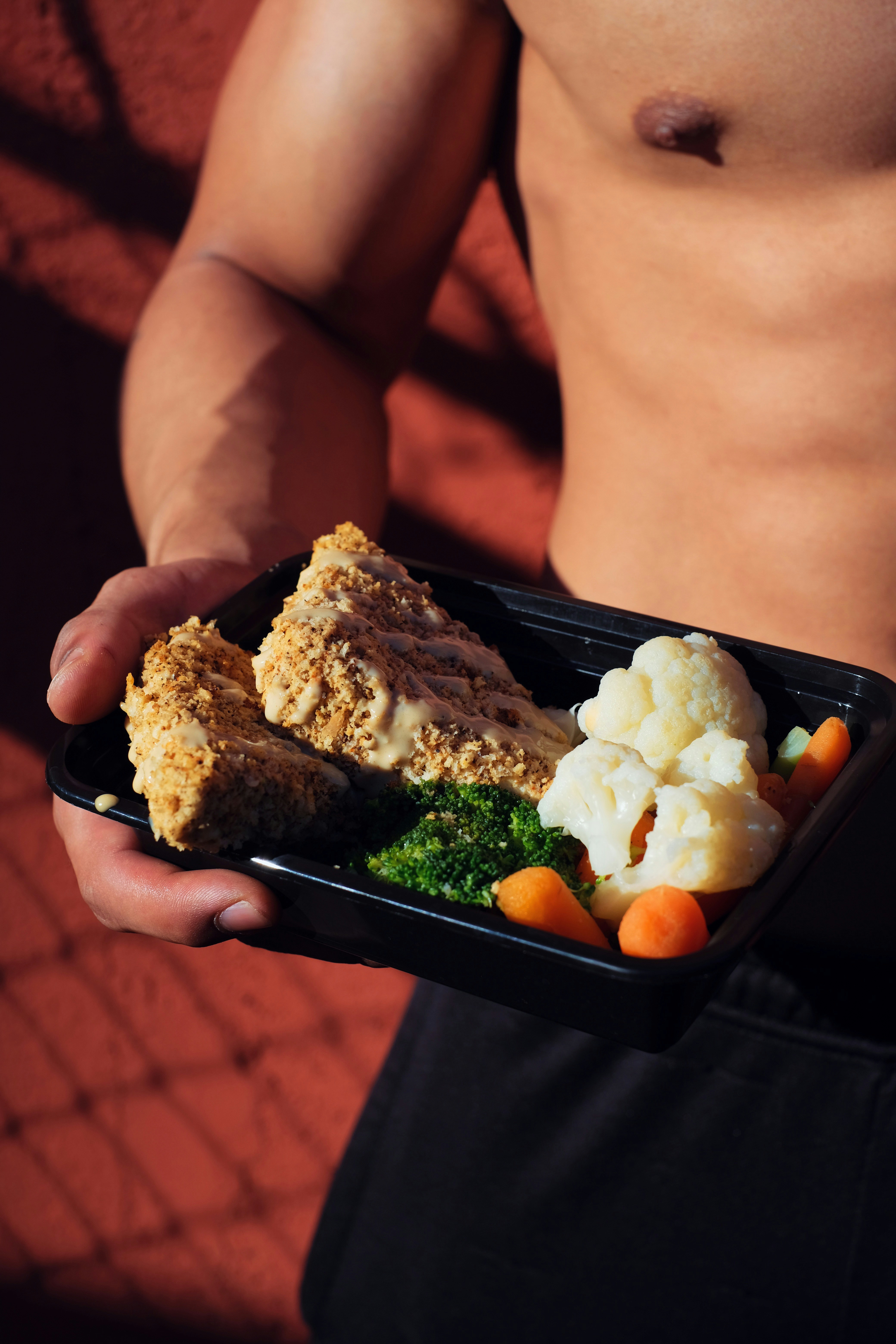
Introduction to Low-Calorie, High-Protein Meals
Low-calorie, high-protein meals have gained significant attention among fitness enthusiasts seeking to optimize their nutrition without compromising their goals. These types of meals play a vital role in supporting muscle growth and ensuring that individuals can effectively manage their caloric intake. By emphasizing protein-rich foods while keeping calories in check, one can foster an environment conducive to muscle recovery and development.
In the realm of fitness, protein is essential. It not only aids in muscle repair but also contributes to the sensation of fullness, which can be beneficial for those aiming to maintain or lose weight. Consuming meals with a high protein-to-calorie ratio allows fitness enthusiasts to fuel their bodies without the excess calories that can lead to weight gain. By strategically incorporating lean protein sources, such as chicken, fish, legumes, and low-fat dairy, individuals can create satisfying meals that align with their fitness aspirations.
A critical component of these meals is striking a balance among macronutrients. While protein is paramount, it is equally important to include healthy fats and complex carbohydrates to support energy levels during workouts and facilitate recovery afterward. For instance, a well-rounded meal plan might consist of grilled chicken breast, quinoa, and a variety of vegetables drizzled with olive oil, ensuring a harmonious blend of nutrients that promote optimal performance.
Moreover, low-calorie, high-protein meals can be tailored to individual preferences and dietary restrictions, making them versatile for a wide array of fitness enthusiasts. Whether you are an avid gym-goer or someone embarking on a new fitness journey, understanding the significance of macronutrient balance within your diet will empower you to make informed choices that enhance your overall health and fitness outcomes.
Benefits of High-Protein Diets for Fitness Enthusiasts
Incorporating a high-protein diet can significantly benefit fitness enthusiasts by enhancing muscle repair and growth, which is crucial after intense workouts. Protein plays a fundamental role in muscle protein synthesis, the process through which the body repairs and builds new muscle tissues. Studies indicate that consuming adequate protein post-exercise promotes recovery and helps prevent muscle breakdown, allowing individuals to maximize their workout efforts and achieve their fitness goals more effectively.
Additionally, high-protein diets can increase feelings of satiety, which may contribute to better appetite control. When protein is consumed, it stimulates the release of hormones that signal fullness, which can help reduce overall calorie intake. This is particularly advantageous for fitness enthusiasts aiming to lose fat while maintaining lean muscle mass. By integrating high-protein foods into their meal plans, individuals can feel satisfied with smaller portions, ultimately aiding in healthier eating habits.
Moreover, protein consumption has metabolic benefits that can assist fitness enthusiasts in their weight management efforts. Research suggests that higher protein intake can lead to an increase in resting energy expenditure, meaning that the body burns more calories at rest. This effect occurs because protein has a higher thermic effect of food (TEF) compared to carbohydrates or fats, requiring more energy for digestion and absorption. As a result, individuals practicing a high-protein diet may experience enhanced fat loss while minimizing the loss of muscle mass during caloric deficits.
Testimonials from fitness professionals further support these claims, emphasizing their experiences with clients who have successfully adopted high-protein diets. These testimonials highlight improvements in body composition, performance, and overall well-being, portraying a clear picture of the advantages that a protein-rich dietary approach can offer to those engaged in regular fitness activities.
Key Ingredients for Low-Calorie, High-Protein Meals
When crafting low-calorie, high-protein meals, selecting the right ingredients is paramount. Many fitness enthusiasts prioritize foods that not only aid muscle recovery but also provide essential nutrients without excessive caloric intake. One standout option is grilled chicken breast, renowned for its lean protein content. A 3-ounce serving provides approximately 26 grams of protein and is extremely versatile, serving as the cornerstone of numerous meal preparations.
Another protein-rich option includes lean cuts of beef, such as sirloin or tenderloin. These cuts, when trimmed of excess fat, deliver significant protein per serving while keeping caloric levels in check. Fish, particularly varieties like salmon, tuna, and cod, is also an excellent choice due to its healthy omega-3 fatty acids alongside high protein content. For those seeking vegetarian or plant-based sources, legumes—such as lentils, chickpeas, and black beans—offer a remarkable protein punch without overwhelming caloric content.
Dairy products contribute yet another layer of options. Low-fat Greek yogurt, for instance, boasts more protein than standard yogurt, making it perfect for snacks or meal additions. Cottage cheese also serves as a stellar choice, rich in casein protein which digests slowly, ensuring prolonged fullness. Plant-based alternatives, like tofu and tempeh, are also worthy contenders, accommodating those on vegetarian or vegan diets while still delivering high protein content.
When selecting ingredients, consider the form in which they are available. Fresh produce is often preferred for its taste and nutritional benefits, but frozen options are practical and can reduce waste. Canned beans and fish can also provide convenience while still fitting into a low-calorie, high-protein meal plan. Ultimately, understanding these key ingredients will enable fitness enthusiasts to create satisfying meals that support their health goals.
Quick and Easy Meal Prep Ideas
Meal preparation is an essential strategy for fitness enthusiasts aiming to maintain a low-calorie, high-protein diet while managing their busy schedules. By dedicating a small amount of time to pre-planning meals, individuals can ensure they adhere to their nutritional goals without the stress of daily cooking. Here are some simple yet effective meal prep ideas that adhere to these guidelines.
One popular option is grilled chicken with a fresh salad. This dish provides a well-balanced source of protein alongside nutrient-rich greens. To prepare, season boneless, skinless chicken breasts with herbs and spices, then grill until cooked through. Serve it with a salad made from mixed greens, tomatoes, cucumbers, and a light vinaigrette dressing. Divide the portions into individual meal containers to facilitate easy grab-and-go options during the week.
Another great meal prep choice is lean meat soups, which can be both satisfying and packed with protein. Consider a turkey or chicken vegetable soup—start by sautéing onions, garlic, and vegetables in a pot, then add minced turkey or shredded chicken along with low-sodium broth. Season it to taste with herbs and spices. This can be made in batches and frozen in single servings, allowing for quick reheating during the week.
Quinoa bowls also serve as an excellent base for meal preparations. Quinoa is a high-protein grain that can be easily bulk-prepared. Cook a large batch and mix it with a variety of vegetables, beans, and proteins like grilled shrimp or tofu. By storing them in individual containers, these bowls are perfect for a nutritious lunch or dinner, making sure you stay within your calorie goals while also enjoying a diverse diet.
Incorporating effective portion control, utilizing proper storage techniques, and employing suitable reheating methods will further streamline meal prep. Using clear containers can help in identifying the meals quickly, while reheating them in the microwave or a stovetop for a few minutes will ensure they’re convenient and healthy meal options all week long.
Sample Low-Calorie, High-Protein Meal Plans
Designing a balanced meal plan that is low in calories yet high in protein is essential for fitness enthusiasts seeking to maintain a healthy lifestyle. Here we present a variety of sample meal plans tailored to different dietary preferences: omnivorous, vegetarian, and vegan. Each plan emphasizes high-protein options while keeping calorie counts in check.
For the omnivorous meal plan, consider starting your day with a breakfast that includes scrambled egg whites with spinach and tomatoes, paired with a serving of low-fat Greek yogurt. For lunch, a grilled chicken salad with mixed greens, quinoa, and a light vinaigrette provides a satisfying mid-day meal. Dinner can consist of baked salmon with steamed broccoli and a small serving of sweet potato. Healthy snacks such as mixed nuts or cottage cheese with berries can boost protein intake without excessive calories.
Moving on to the vegetarian meal plan, begin with a breakfast of oatmeal prepared with almond milk, topped with sliced almonds and chia seeds for added protein. A lunch featuring a chickpea salad with diced cucumbers, cherry tomatoes, and feta cheese makes for a nutritious option. For dinner, consider a hearty vegetable stir-fry with tofu served on a bed of brown rice. Snack options like hummus with carrot sticks or a protein bar can bridge any hunger gaps effectively.
For those following a vegan diet, a breakfast of smoothie made with almond milk, spinach, banana, and plant-based protein powder can kickstart the day. A lentil soup paired with a side salad for lunch offers a protein-rich dish. Dinner may include quinoa stuffed bell peppers and a side of green beans. Vegan protein snacks like edamame or nut butter on whole grain toast are ideal to manage cravings throughout the day.
This variety in meal planning ensures that individuals can sustain their fitness goals while enjoying a nutritious and flavorful diet that caters to their personal preferences.
Protein-Rich Recipes to Try at Home
For fitness enthusiasts, incorporating high-protein, low-calorie meals into daily diets is essential for building muscles and supporting recovery. Here are three delicious and easy-to-make recipes that are both nutritious and satisfying.
Grilled Chicken Salad
This refreshing salad is filled with protein and flavor. Start by marinating 200 grams of boneless, skinless chicken breast in a mixture of olive oil, lemon juice, garlic, and your choice of herbs such as basil or oregano for at least 30 minutes. Grill the chicken until cooked through and slice it thinly. Assemble the salad with mixed greens, cherry tomatoes, cucumber, and a handful of chickpeas for extra protein. Top with the grilled chicken and a light vinaigrette dressing. This meal typically provides around 350 calories and 40 grams of protein, making it a perfect post-workout option.
Hearty Lentil Soup
Lentils are a fantastic plant-based protein source, making them an excellent choice for a healthy meal. In a large pot, sauté one diced onion, two carrots, and two celery sticks in a teaspoon of olive oil until tender. Add one cup of rinsed lentils, four cups of vegetable broth, and season with salt, pepper, and herbs of your choice. Simmer for about 30 minutes until the lentils are soft. This soup is not only filling but provides approximately 250 calories and 18 grams of protein per serving, ideal for lunch or dinner.
Flavorful Quinoa Bowls
Quinoa is another great protein-rich food. Cook one cup of quinoa according to package instructions. Once cooked, mix in black beans, diced bell peppers, corn, and avocado. Season with lime juice, cilantro, salt, and pepper. This vibrant bowl offers about 400 calories and 15 grams of protein, making it a nutritious meal for any time of the day.
These recipes are easy to prepare and showcase how high-protein, low-calorie meals can be both enjoyable and beneficial for fitness enthusiasts. Embrace these options to enhance your culinary repertoire while supporting your health goals.
Tips for Maintaining Consistency
Maintaining consistency in a low-calorie, high-protein meal plan is fundamental for fitness enthusiasts aiming to achieve their health goals. One effective strategy to ensure adherence is meal prepping. By setting aside dedicated time each week to prepare meals, individuals can alleviate stress during busy weekdays and reduce the temptation to opt for less nutritious options. Batch cooking proteins such as chicken breast or plant-based alternatives, alongside vegetables and whole grains, can create well-balanced meals that are ready to consume, thus promoting dietary adherence.
Grocery shopping also plays a significant role in maintaining a consistent meal plan. It is crucial to create a comprehensive shopping list based on planned meals and stick to it while shopping. This minimizes impulse purchases that may detract from low-calorie, high-protein goals. Consider visiting local farmers’ markets for fresh produce and lean proteins, which can enhance the nutritional quality of meals. Additionally, having healthy snacks, such as Greek yogurt or nuts, readily available can help curb hunger and maintain energy levels throughout the day.
Staying motivated is another vital aspect of consistency. One way to foster motivation is by setting realistic and attainable goals. Tracking progress, whether through fitness apps or food journals, can illustrate improvements over time, reinforcing commitment to the meal plan. It is also beneficial to engage with a community of like-minded individuals, whether in-person or through social media groups, to share experiences, challenges, and successes. Lastly, embracing flexibility can prevent burnout; being open to modifying recipes or trying new foods within low-calorie and high-protein guidelines keeps meals exciting and satisfying. By employing these practical tips, fitness enthusiasts can create a sustainable approach to their nutrition, paving the way for long-term success.
Common Mistakes to Avoid
Adhering to a high-protein meal plan can considerably enhance one’s fitness journey; however, there are several common pitfalls that fitness enthusiasts may encounter. Recognizing these mistakes can significantly improve the efficacy of meal plans designed for optimal health and wellness.
One prevalent error is excessive calorie counting. While monitoring caloric intake is a crucial part of any nutrition strategy, overemphasizing this aspect can lead to an unhealthy relationship with food. Individuals may become preoccupied with numbers, overlooking the importance of macronutrients and their sources. Instead of focusing solely on calories, it is beneficial to approach meal planning with a more balanced perspective, emphasizing nutrient quality rather than quantity.
Another mistake is the neglect of micronutrients. In the quest for high protein content, some individuals may disregard essential vitamins and minerals that play a vital role in bodily functions. Micronutrients are found in a variety of food sources, and a lack of diversity in food choices can lead to deficiencies over time. Incorporating a wide range of fruits, vegetables, and whole grains not only enriches your diet with necessary nutrients but also supports overall performance and recovery.
Lastly, relying too heavily on processed foods can undermine the benefits of a high-protein diet. While convenience is a factor, many processed options often contain unhealthy additives, sodium, and sugars that can detract from the meal plan’s objectives. Focusing on whole and minimally processed foods can contribute to better health outcomes and improve the satisfaction of meals.
By recognizing these common mistakes—excessive calorie counting, neglecting micronutrients, and relying on processed foods—individuals can refine their high-protein meal plans, ensuring they align with both their fitness goals and overall health.
Conclusion
In an ever-evolving landscape of dietary options, embracing a low-calorie, high-protein diet can be transformative for fitness enthusiasts. It is essential to recognize that such a diet is not merely a fleeting trend but can be integrated into a long-term, sustainable lifestyle. Throughout this post, we have explored the profound benefits of high-protein meals, including enhanced muscle recovery and improved metabolism, essential for those who prioritize fitness and overall health.
Moreover, meal prepping using low-calorie ingredients ensures that individuals stay on track with their nutritional goals while enjoying a variety of flavors. The key to success lies in adopting a flexible approach. This involves experimenting with a wide range of proteins, from beans and lentils to lean meats and dairy sources, allowing for creativity and personal preference in meal selection. Additionally, focusing on seasonal produce can provide both nutrition and taste, while keeping meals vibrant and exciting.
It is crucial to tailor these meal plans according to personal lifestyles and preferences. Finding a balance between convenience and nutrition can support not only physical health but also mental well-being. Enjoying the process of preparing meals and discovering new recipes can make the transition to low-calorie, high-protein eating more enjoyable. When individuals view this dietary adjustment as a positive transformation rather than a restrictive diet, they are more likely to adhere to it long-term.
By approaching meal planning with both mindfulness and flexibility, readers can create a sustainable dietary habit, leading to improved fitness outcomes and enhanced overall health. Making conscious choices about what to eat—while prioritizing enjoyment—may transform low-calorie, high-protein eating into a fulfilling lifestyle.