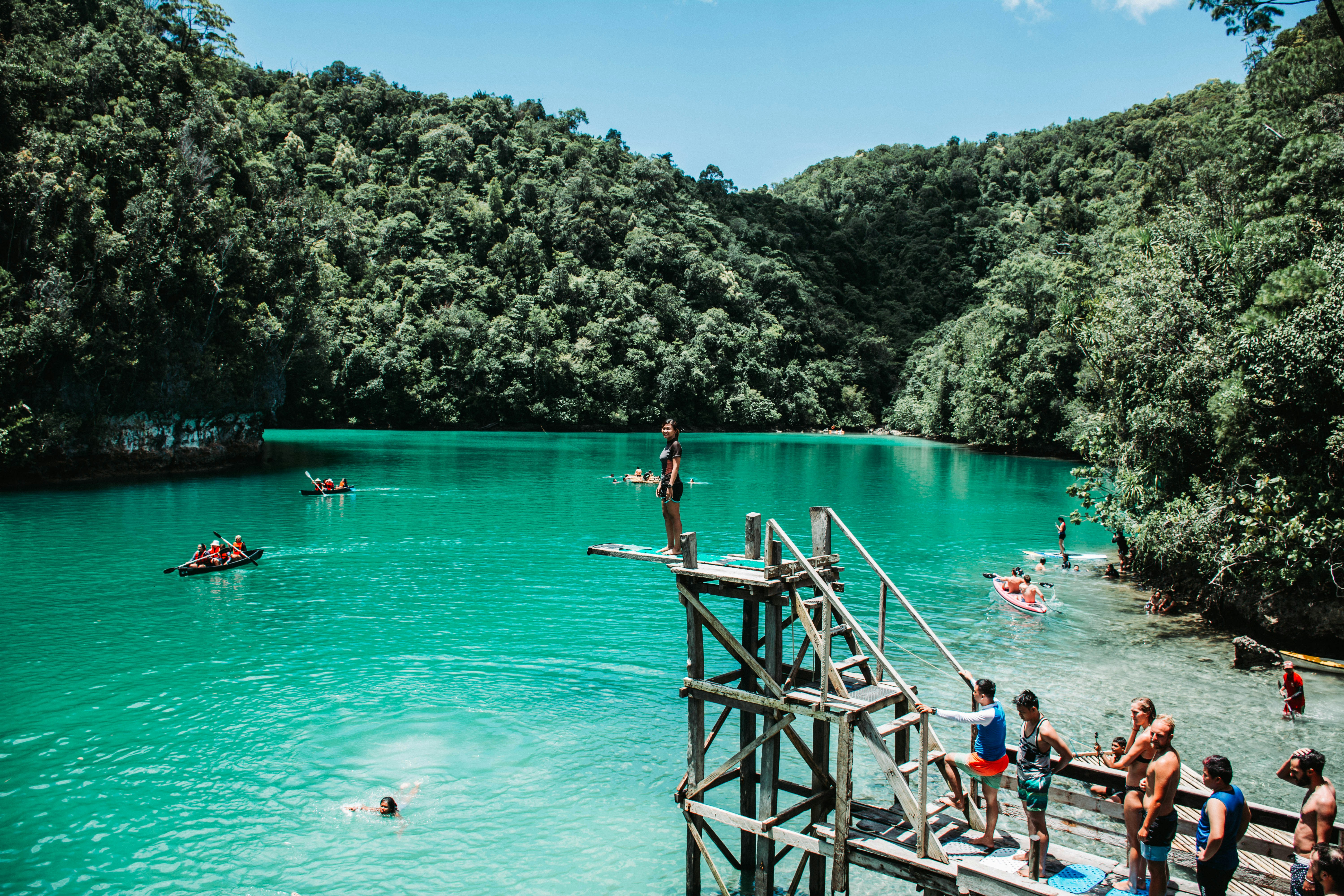
Introduction to Sport Tourism
Sport tourism is a growing phenomenon that intertwines the passion for sports with the adventure of travel. It encompasses individuals and groups who travel to participate in or attend sporting events, often resulting in immersive experiences within new cultures and lifestyles. The concept of sport tourism has gained significant traction in recent years, driven by the increasing global appeal of major sporting events, such as the Olympics, World Cup, and various international competitions. This trend has opened up a new realm of opportunities for sports enthusiasts seeking to enhance their travel experiences.
Individuals who engage in sport tourism often seek more than just entertainment; they aim to create lasting memories while exploring unfamiliar destinations. Whether it’s taking part in marathons, cycling tours, or attending a thrilling football match, sport tourism allows travelers to connect with local communities and experience the vibrant culture firsthand. This interplay between sports and travel not only benefits tourists but also stimulates local economies, as cities hosting these events typically see an influx of visitors who spend on accommodation, dining, and local attractions.
The rise of sport tourism can be attributed to several factors, including the advancement of technology, which makes it easier to plan and book travel, alongside increased accessibility to sporting events worldwide. Social media has also played a significant role in popularizing this trend, as travelers share their experiences, inspiring others to explore new destinations through their love for sports. As a result, sport tourism represents not only a growing niche market but a unique opportunity to enrich one’s travel experience by merging athletic passion with cultural exploration.
The Appeal of Combining Sports and Travel
Sport tourism has emerged as a captivating trend, captivating individuals with a unique blend of adventure, passion, and cultural exploration. One of the primary reasons behind the growing allure of this form of tourism is the thrill that comes from participating in or attending sporting events. Major competitions such as the Olympics, World Cup, or regional marathons not only provide an opportunity to witness world-class athletes but also allow for an immersive experience in the host destination’s culture. The excitement of watching live sports can be a profound motivator for travelers, making the journey itself a significant part of the overall experience.
In addition to the adrenaline rush associated with attending events, sport tourism opens the door to unique experiences that often cannot be found in traditional travel packages. For instance, fans might engage in experiences such as guided tours of famous stadiums, meet-and-greet sessions with athletes, or participation in local sports-related activities. These opportunities forge a deeper connection to the destination, allowing travelers to appreciate the local customs and traditions that are often entwined with the sports culture. From rugby in New Zealand to cricket in India, each locale presents a distinct sporting landscape enriched with history and passion.
Moreover, sport tourism fosters the chance to meet like-minded individuals who share a similar enthusiasm for sports. Whether it be fellow travelers congregating at a match or local residents welcoming visitors into their communities, these connections can lead to lasting friendships. The communal experience of cheering for a team or participating in recreational sports serves as a unifying factor among diverse groups of people. Through sport, tourists gain insights into the hearts of local communities, enhancing their travel experience while strengthening their passion for sports. Overall, the intersection of sports and travel provides an enriching and exhilarating journey that continues to grow in popularity.
Skiing in the Alps: Adventure Awaits
Skiing in the Alps is often regarded as one of the most exhilarating experiences for adventure seekers and sport tourism enthusiasts alike. The majestic mountain range stretching across eight countries offers a plethora of ski resorts, each providing unique opportunities for skiers of all skill levels. Renowned destinations such as Chamonix in France, Zermatt in Switzerland, and Innsbruck in Austria attract millions of visitors every year, drawn by the promise of pristine slopes and breathtaking landscapes.
The Alps boast well-maintained ski resorts featuring extensive networks of slopes, ranging from gentle beginner runs to challenging black diamonds for seasoned skiers. With over 7,000 ski areas available across the region, options are abundant. For instance, the Three Valleys in France is the largest ski area in the world, offering over 600 kilometers of interconnected pistes. Such vast terrain ensures that whether one is a novice or an expert, there is always a slope that caters to individual preferences and abilities.
In addition to skiing, the Alps present numerous opportunities for après-ski activities, allowing visitors to unwind and socialize after an exhilarating day on the slopes. Resorts often feature charming alpine villages where tourists can enjoy local cuisines, wine tastings, and cultural interactions, further enhancing the travel experience. Equipment rentals and ski schools are readily available, making it accessible for newcomers eager to embrace the thrill of this popular winter sport.
The panoramic views of snow-capped peaks and picturesque valleys make the landscape not just a backdrop but a key component of the skiing experience. Each descent provides unique vantage points, from which skiers can appreciate the natural beauty that surrounds them. Thus, skiing in the Alps transcends mere sport; it is a profound adventure that allows individuals to connect with nature while indulging in their passion for skiing.
Surfing in Hawaii: Riding the Waves
Hawaii is globally renowned for its exceptional surfing culture, attracting enthusiasts from around the world. The islands offer a wealth of surf spots that cater to all skill levels, making it an ideal destination for both beginners eager to catch their first wave and seasoned surfers longing for a challenge. Iconic locations such as Waikiki Beach, the North Shore of Oahu, and Ha’uula Point provide diverse experiences that highlight the natural beauty and cultural richness of the islands.
The spirit of ‘Aloha’ permeates Hawaii’s surfing scene, fostering a sense of community among surfers and locals alike. This welcoming atmosphere is vital as it encourages travelers to engage with local traditions and learn about the significance of surfing in Hawaiian culture. Many surf schools operate on these beaches, offering lessons that not only teach the basics of riding waves but also impart the values associated with the sport—respect for the ocean and appreciation of nature’s power. Through these immersive experiences, visitors can develop a profound connection to the environment.
For more advanced surfers, Hawaii presents thrilling opportunities to tackle some of the largest and most breathtaking waves in the world. The legendary Waimea Bay and the infamous Pipeline are destinations where pros showcase their skills, drawing spectating crowds eager to witness the intensity and beauty of high-stakes surfing. The culture surrounding these areas revolves around camaraderie, competition, and a shared admiration for the ocean’s majesty.
Overall, surfing in Hawaii is not merely an activity; it is a way for travelers to connect deeply with the islands and the local community. Whether one is a novice or a seasoned expert, engaging with the waves in Hawaii offers an enriching experience filled with adventure and cultural discovery.
Marathon Tourism: Racing Across the Globe
Marathon tourism has emerged as a significant trend, captivating sports enthusiasts who seek to combine their passion for running with the thrill of exploring new destinations. The growing popularity of this unique form of travel is evident in the increasing number of runners who participate in marathons across the globe, each offering a distinct cultural and scenic backdrop. From the iconic Boston Marathon to the vibrant Berlin Marathon, each event provides runners not just an opportunity to test their physical limits, but also to experience the local culture and hospitality.
One of the key aspects of marathon tourism is the pre-race training and preparation involved. Runners often explore iconic landmarks while acclimatizing to the new environment, creating a unique blend of travel and fitness. Many destinations host fun runs or organized training events in the lead-up to the main race, allowing participants to engage with fellow runners and locals, share training tips, and adapt to the terrain. The social aspect of these events further enhances the experience, fostering a sense of community among participants from diverse backgrounds.
Additionally, marathon events often serve as the focal point for mini-vacations. Runners frequently extend their travel plans to explore the host city, indulging in local cuisine and attractions. This dual-purpose travel not only injects revenue into the local economy but also promotes healthy lifestyles, encouraging tourists to remain active during their stay. Many famous marathons offer unique challenges, such as running through historical sites or natural landscapes, adding to the allure of marathon tourism. In summary, this growing trend embodies the spirit of both adventure and athleticism, making it an appealing choice for those looking to explore the world while pursuing their passion for sports.
Cultural Immersion Through Sports
Traveling for sport tourism presents a unique opportunity to engage with and understand different cultures on a deeper level. Sports, as a universal language, facilitate interactions among individuals from diverse backgrounds, thus helping travelers to forge bonds with local communities. Participating in local sports, whether it is a traditional game, a popular spectator sport, or even casual pick-up games, can provide invaluable insights into the customs and values of a region.
Engaging in sports while traveling often involves more than merely enjoying a game; it encourages a firsthand experience of the cultural significance of these activities. For instance, attending a local football match in South America can reveal aspects of national pride and community identity, while practicing martial arts in East Asia may offer glimpses into historical traditions and philosophies. Moreover, locals often welcome tourists enthusiastically, eager to share their passion for their sports, which creates a sense of belonging and connection.
Sports tourism also extends to participating in sports festivals or cultural events that highlight traditional athletic competitions. These events can serve as a catalyst for deeper appreciation of regional diversity and can promote a better understanding of both contemporary life and historical practices in a locality. Through volunteering or joining training sessions, tourists can immerse themselves in the daily routines and lifestyles of residents, further enriching their travel experience.
Ultimately, the intersection of sports and culture cultivates an atmosphere where mutual respect and learning can thrive. Sports provide not only entertainment but also a platform to explore and appreciate the myriad cultures across the globe. As such, sport tourism is an effective means of fostering meaningful connections that transcend linguistic and cultural barriers, allowing travelers to experience the heart of a destination through its sports.
Sustainable Sport Tourism Practices
Sustainable sport tourism has gained significant attention in recent years, emphasizing the importance of preserving the environment and supporting local communities while indulging in sports-related activities. Engaging in responsible travel practices is paramount for sports tourists who wish to minimize their ecological footprint. This involves making conscious decisions about transportation, accommodation, and activities that promote conservation and sustainability.
When planning trips centered around sports, travelers can adopt eco-friendly practices by choosing local transport options, such as biking or public transit, over more carbon-intensive means like cars or flights. By selecting accommodations that prioritize sustainability, such as eco-lodges or establishments with green certifications, sports enthusiasts can further contribute to conserving natural resources. Moreover, participating in activities that are inherently sustainable, such as hiking, kayaking, or cycling, not only supports health and well-being but also fosters a connection with nature.
The role of sports tourists extends beyond participation; it includes a responsibility to preserve the natural environments and cultural heritage of the destinations they visit. Travelers can engage with local communities and support small businesses, ensuring that economic benefits remain within the region. By attending local sports events, purchasing handmade crafts, and enjoying authentic culinary experiences, tourists can help sustain the culture and traditions of the areas they explore.
Additionally, tourists should educate themselves about the ecosystems and cultures at their destinations, advocating for practices that protect and celebrate local biodiversity and heritage. Leaving no trace behind and following sustainable guidelines underscores the commitment of sports tourists to the preservation of the planet. Ultimately, sustainable sport tourism practices are integral to ensuring that future generations can enjoy and participate in the sports they love while safeguarding the environments that host them.
Planning Your Sport Tourism Adventure
Embarking on a sport tourism adventure requires careful planning to ensure an enjoyable and fulfilling experience. The first step is selecting the appropriate destinations that align with your sports interests. Whether you aspire to chase soccer matches in Europe, explore rugby events in New Zealand, or hike scenic trails in the Rocky Mountains, research is crucial. Utilize travel blogs, official tourism websites, and social media platforms to gather insights and recommendations on the best sports-related activities in varied locations.
Once you have chosen your destination, it is essential to identify specific events that you wish to attend or participate in. Many sporting events, such as marathons, tennis tournaments, and extreme sports competitions, have set dates, so make sure to plan your travel around these schedules. Websites that specialize in sport tourism can also provide a helpful overview of event calendars and ticket purchasing options. Additionally, consider signing up for local clubs or groups that focus on the sport you are interested in, as they often organize activities tailored for visitors.
Packing for your trip is another integral aspect of your sport tourism planning. Be sure to include essential gear, comfortable clothing suited for different weather conditions, and any specialized equipment necessary for your chosen activities. It is also wise to pack a small first aid kit and any medications you may require. Staying safe and healthy while engaging in sports activities is paramount; therefore, make sure you are hydrated and maintain proper nutrition throughout your journey, especially before and after participating in rigorous events.
Finally, familiarize yourself with safety protocols specific to your chosen sport and destination. Understanding local customs, regulations, and healthcare facilities can make a significant difference in your experience. By following these guidelines and preparing diligently, you can enjoy a memorable and successful sport tourism adventure, merging your love for travel with your passion for sports.
Conclusion: Make Sports Your Travel Companion
Sport tourism provides unique opportunities for individuals to merge their love for sports with the enriching experience of travel. As demonstrated throughout this post, the interplay between visiting new destinations and engaging in sporting activities fosters a deeper connection to places and cultures. Sports enthusiasts can not only watch their favorite events but can also participate in local activities, thereby immersing themselves in the community and enhancing their overall travel experience.
By choosing to explore the world through sport, travelers can embark on new adventures that challenge their physical limits while simultaneously broadening their cultural horizons. Whether it’s attending a grand sporting event such as the Olympics or World Cup, or participating in local sports festivals, each experience adds a new dimension to the journey. These activities create lasting memories and friendships with fellow sports lovers from diverse backgrounds.
Moreover, the benefits of sport tourism extend beyond personal enjoyment; they can contribute to local economies and promote cultural exchange. For instance, communities often thrive when visitors flock to sports events, leading to enhanced infrastructure, improved services, and increased visibility on a global scale. As individuals engage in these activities, they become ambassadors of their own cultures while embracing the traditions of their host countries.
Thus, we encourage sports enthusiasts to consider sport tourism as a viable means of enriching their lives. The thrill of travel combined with the excitement of sports opens up a world of possibilities. By making sports a companion on their journeys, travelers not only satisfy their athletic passions but also embark on a quest for adventure, learning, and connection. Embracing sport tourism promises a more vibrant and engaging experience of the world around us.