Introduction to Superfoods
Superfoods have garnered significant attention in recent years, emerging as a cornerstone of health and wellness discussions. Defined as nutrient-rich foods that provide health benefits beyond basic nutrition, these ingredients offer a myriad of essential vitamins, minerals, and antioxidants that contribute to overall well-being. The term “superfood” does not have a strict scientific definition; rather, it has evolved within popular culture to describe specific foods that are believed to promote health and prevent disease.
The rising popularity of superfoods can be attributed to an increasing public interest in nutrition, health consciousness, and the desire for natural, whole food sources of sustenance. As consumers seek effective ways to improve their diets and lifestyles, these foods have emerged as key players in enhancing wellness. Scientific studies have supported the claims surrounding the health benefits of superfoods, demonstrating their potential impact on cardiovascular health, immunity, and inflammation reduction. This growing body of research has further fueled the fascination with ingredients like quinoa, kale, and acai berries, each touted for their unique health properties.
Incorporating superfoods into the daily diet can provide easy and effective ways to elevate nutritional intake. The adaptability of superfoods means they can be integrated into various meals, from smoothies to salads, making them accessible for all types of dietary preferences. As this blog post unfolds, we will delve deeper into specific superfoods, examining their properties and the compelling reasons they deserve a place in your diet. By understanding the value of these potent ingredients, readers will be equipped to make informed decisions about their health and nutrition.
The Nutritional Power of Blueberries
Blueberries are often heralded as a superfood due to their impressive nutritional profile and wealth of health benefits. Rich in antioxidants, particularly anthocyanins, these small berries are known for their ability to combat oxidative stress. This oxidative stress is a significant contributor to aging and various chronic diseases. The vibrant blue hue of blueberries is not merely aesthetic; it signifies the presence of these powerful phytochemicals that neutralize harmful free radicals in the body.
Beyond their antioxidant capacity, blueberries are packed with essential vitamins and minerals. A single cup of blueberries provides nearly 24% of the daily recommended intake of vitamin C, a nutrient vital for skin health, immune function, and collagen formation. Additionally, they are a good source of vitamin K, manganese, and dietary fiber, contributing to overall well-being. The fiber content aids digestion and helps maintain a healthy gut, which is crucial for nutrient absorption and overall health.
Recent research has further illuminated the health benefits associated with blueberries. Studies indicate that regular consumption of these berries may reduce the risk of heart disease by improving cholesterol levels and lowering blood pressure. Furthermore, there is growing evidence to suggest that blueberries can enhance cognitive function. They may contribute to improved memory and may even play a role in delaying cognitive decline associated with aging.
Incorporating blueberries into one’s diet can be both enjoyable and beneficial. Adding them to smoothies, yogurt, salads, or oatmeal not only enhances flavor but also boosts the nutrient profile of these meals. Baking them into muffins or pancakes is another creative way to enjoy their taste and health benefits. By making blueberries a regular part of your diet, you can harness the power of these nutrient-dense berries to improve your overall health and well-being.
Kale: The Leafy Green Wonder
Kale, often referred to as a superfood, is a nutrient-dense leafy green that offers an array of vitamins and minerals essential for optimal health. Its rich profile includes high levels of vitamins K, A, and C, which play significant roles in maintaining bone health, boosting the immune system, and promoting healthy vision. Additionally, kale provides important minerals such as calcium, potassium, and magnesium, contributing to overall well-being.
The health benefits of kale extend beyond its impressive nutritional content. Research indicates that this leafy green may aid in cancer prevention due to its high concentration of antioxidants and phytochemicals, including sulforaphane and indole-3-carbinol. These compounds have been shown to help combat oxidative stress and reduce inflammation, potentially lowering the risk of developing various types of cancer. Furthermore, kale is high in fiber, promoting healthy digestion and aiding in weight management by enhancing satiety.
Incorporating kale into your diet is both versatile and easy. One of the simplest ways to enjoy this superfood is by adding it to salads, where it can be paired with a variety of ingredients such as nuts, fruits, and lean proteins to create a balanced meal. For those who prefer smoothies, blending kale with fruits like bananas and berries not only masks its earthy flavor but also enhances the drink’s nutritional value. Another excellent option is to use kale in soups or stir-fries, where it can be cooked down to add depth of flavor while retaining its health benefits.
In conclusion, kale is a remarkable superfood that offers an abundance of nutrients and health benefits. Whether you consume it raw or cooked, integrating kale into your meals can significantly contribute to a balanced and healthful diet.
The Benefits of Chia Seeds
Chia seeds, derived from the Salvia hispanica plant, have gained recognition as a powerful superfood due to their rich nutritional profile. One of the most notable aspects of these tiny seeds is their high fiber content; just one ounce of chia seeds contains approximately 11 grams of dietary fiber. This remarkable fiber content contributes to improved digestive health by promoting regular bowel movements and supporting a balanced gut microbiome. Fiber also plays a crucial role in weight management, as it adds bulk to meals, helping individuals feel fuller for longer periods and potentially reducing overall calorie intake.
In addition to their fiber content, chia seeds are an excellent source of omega-3 fatty acids, particularly alpha-linolenic acid (ALA). Omega-3 fatty acids are essential for cardiovascular health, as they help reduce inflammation, lower blood pressure, and decrease the risk of heart-related diseases. Incorporating chia seeds into the diet can therefore support heart health and promote a balanced inflammatory response within the body.
Furthermore, chia seeds are a remarkable source of plant-based protein, containing around 4 grams of protein per ounce. This makes them an ideal addition for those seeking to enhance their protein intake without animal products. The protein content of chia seeds can help build and repair tissues, maintain muscle mass, and support overall metabolic health.
Adding chia seeds to meals is a simple process, as they are versatile and can be easily incorporated into various dishes. They can be sprinkled on salads, blended into smoothies, or used as a thickening agent in puddings and soups. More creatively, they can be mixed with water to create a gel-like consistency that serves as a wholesome egg substitute in baking recipes. With these benefits in mind, including chia seeds in one’s diet is a step towards enhanced wellness and nutritional balance.
Avocados: More than Just Creamy Goodness
Avocados have gained significant recognition as a superfood, celebrated for their rich nutrient profile and wide array of health benefits. These creamy fruits are not only delicious but also packed with healthy monounsaturated fats, making them an excellent choice for those seeking to enhance their diet. The presence of oleic acid, a type of monounsaturated fatty acid, contributes to improved heart health by potentially reducing bad cholesterol levels and promoting good cholesterol, thus lowering the risk of cardiovascular diseases.
In addition to healthy fats, avocados are also rich in essential vitamins and minerals. They contain significant amounts of vitamin K, vitamin E, vitamin C, and several B vitamins, which play crucial roles in various bodily functions, including immune support, skin health, and energy metabolism. Furthermore, avocados are an excellent source of dietary fiber, aiding in digestion and promoting feelings of fullness, which may be beneficial for weight management.
The skin benefits of avocados are noteworthy as well. The antioxidants present in avocados, coupled with their hydrating properties, may help improve skin health by reducing inflammation and preventing signs of aging. Incorporating avocados into daily meals can be simple and versatile. For breakfast, they can be enjoyed on whole-grain toast, paired with eggs or sprinkled with chili flakes for added flavor. At lunch, avocados can enhance salads or be blended into creamy dressings. For snacks, guacamole serves as a nutritious dip for fresh vegetables or whole-grain chips.
Given their diverse culinary applications and impressive health benefits, avocados undoubtedly deserve a prominent place in a balanced diet. Embracing this superfood can contribute to overall well-being while adding a delightful texture and flavor to various dishes.
Quinoa: The Protein-Packed Grain
Quinoa, often referred to as a superfood, is a seed that hails from the Andean region of South America. It has gained immense popularity among health enthusiasts due to its impressive nutritional profile, particularly as a complete protein source. Unlike most plant-based foods, quinoa contains all nine essential amino acids, making it a valuable addition for vegetarians and vegans seeking to meet their protein needs. This unique composition not only aids in muscle repair and growth but also plays a crucial role in overall health maintenance.
In addition to being a complete protein, quinoa is high in various nutrients, including dietary fiber, B vitamins, and essential minerals such as magnesium, phosphorus, and iron. These components support numerous bodily functions, from enhancing metabolic processes to promoting a healthy digestive system. Its low glycemic index makes quinoa an excellent option for those managing blood sugar levels, thereby reducing the risk of diabetes and other chronic conditions.
Cooking quinoa is a straightforward process that involves rinsing the seeds to remove their natural coating, called saponin, which can impart a bitter taste. The typical ratio is two parts water to one part quinoa, cooked similarly to rice for about 15 minutes until fluffy. Quinoa’s versatility allows it to be incorporated into a myriad of dishes, including salads, soups, and casseroles, or served as a base for stir-fries. Additionally, it can be used in baking, offering a nutritious alternative for flour in various recipes.
Quinoa’s remarkable nutrient density and multifaceted use in the kitchen make it an essential addition to a balanced diet. Its capacity to deliver complete protein alongside other vital nutrients contributes significantly to overall wellness, appealing to health-conscious individuals striving for a nutritious lifestyle.
The Power of Turmeric
Turmeric is a vibrant yellow spice derived from the root of the Curcuma longa plant, renowned for its extensive health benefits primarily attributed to its key active ingredient, curcumin. Curcumin possesses powerful anti-inflammatory and antioxidant properties, acting as a potent phytochemical that can play a significant role in the prevention of various chronic diseases. Numerous studies have indicated that curcumin may help combat inflammation, which is recognized as a contributing factor in the progression of numerous health issues, including arthritis, cardiovascular diseases, and certain cancers.
In addition to its role in reducing inflammation, curcumin is noted for its ability to neutralize free radicals, which can damage body cells and lead to various health complications over time. By incorporating turmeric into your diet, you may enhance your body’s defense mechanisms against oxidative stress, thereby improving overall health and well-being. Researchers also suggest that curcumin may support brain health by increasing levels of brain-derived neurotrophic factor (BDNF), providing potential benefits for cognitive function and mental clarity.
Incorporating turmeric into your culinary repertoire is both simple and versatile. One effective way to enjoy its health benefits is by adding it to your daily meals. Turmeric can be easily sprinkled on roasted vegetables, blended into soups, or even included in smoothies for an added nutritional boost. Additionally, traditional beverages such as golden milk, which combines turmeric with milk or plant-based alternatives, offers a soothing way to incorporate this superfood into your diet. For optimal absorption of curcumin, consider pairing turmeric with black pepper, as piperine, an active compound in black pepper, enhances curcumin’s bioavailability significantly.
Spirulina: The Microalgae Superfood
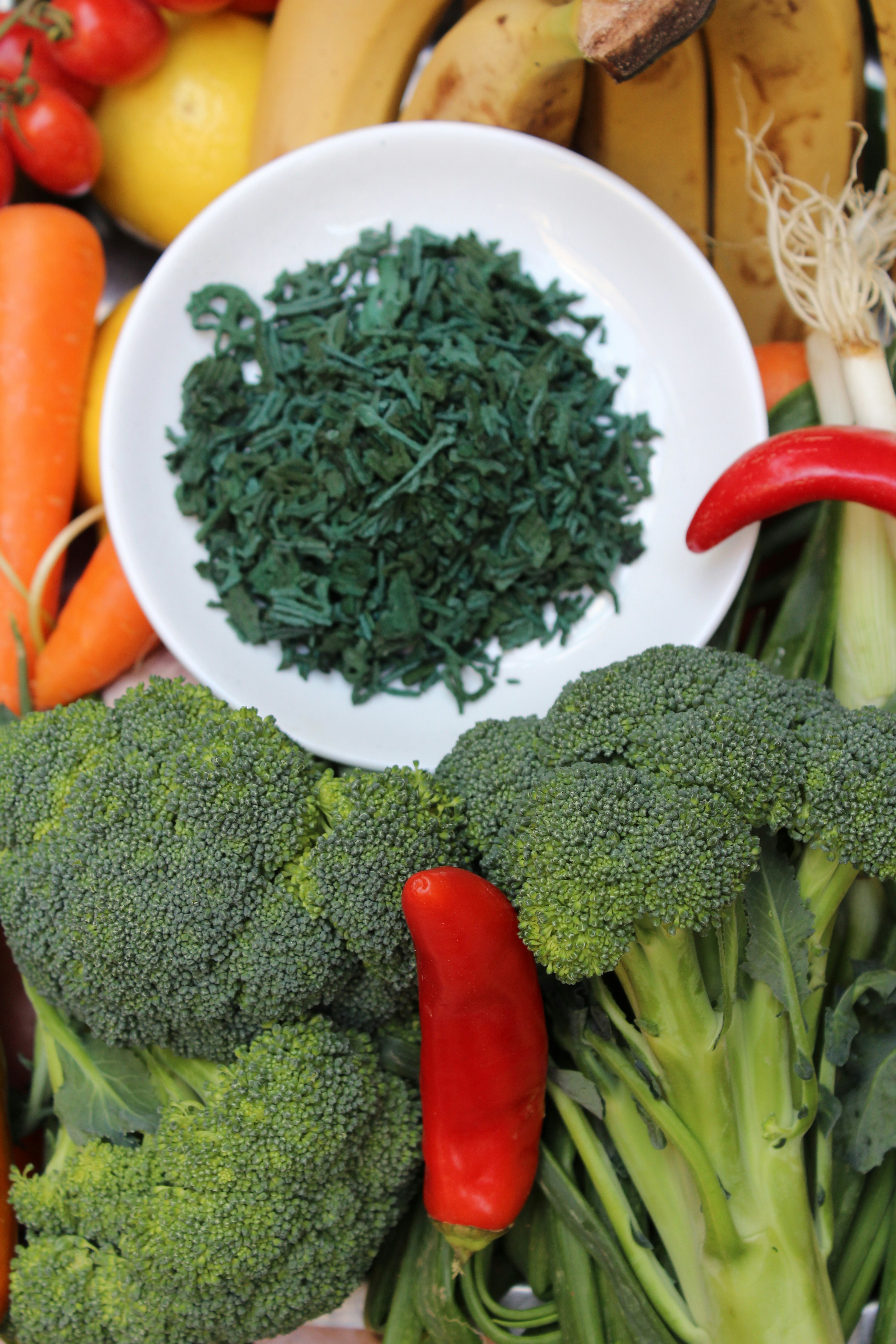
Spirulina, a blue-green microalgae, has gained attention in recent years as a potent superfood due to its exceptional nutritional profile. It is considered one of the richest sources of protein among plant-based foods, containing approximately 60-70% protein by weight. This high protein content makes spirulina an excellent dietary choice for vegetarians and vegans, as it provides all essential amino acids needed for optimal health. Additionally, it is rich in vitamins and minerals, including B vitamins, iron, and magnesium, as well as antioxidants such as phycocyanin, which contributes to its vibrant hue and numerous health benefits.
One of the key benefits of spirulina is its ability to enhance energy levels. Many people report experiencing increased vitality and stamina after incorporating this microalgae into their diet. This effect is attributed to its high nutrient density, which supports cellular function and metabolism. Moreover, spirulina is known for its immune-boosting properties. Studies have shown that it can stimulate the production of antibodies and improve immune responses, making it a valuable addition to a health-promoting diet.
Spirulina is available in various forms, including powder and tablets, providing flexibility for its incorporation into daily routines. The powdered form can be easily added to smoothies, yogurt, or juices, enhancing both the nutritional value and flavor of these meals. For those who prefer a more convenient option, spirulina tablets are an excellent choice for on-the-go supplementation. As you explore ways to include spirulina in your diet, consider experimenting with different recipes and combinations to discover what works best for you.
In summary, spirulina stands out as a remarkable superfood, packed with nutrients that support energy levels, immunity, and overall well-being. Its versatility in usage allows it to be seamlessly incorporated into various meals and snacks, making it an accessible choice for anyone looking to enhance their health.
The Importance of Nuts and Seeds
Nuts and seeds are often celebrated as powerhouse ingredients within the superfood category, providing a rich source of healthy fats, fiber, and protein. The nutritional composition of these foods makes them a valuable addition to any diet, contributing to overall well-being and vitality. For instance, almonds, walnuts, chia seeds, and flaxseeds are loaded with essential nutrients that support cardiovascular health, brain function, and digestion.
One of the key benefits of incorporating nuts and seeds into one’s diet is their high concentration of healthy fats, particularly monounsaturated and polyunsaturated fats. These fats have been shown to reduce bad cholesterol levels and lower the risk of heart disease. Walnuts, for example, are particularly rich in omega-3 fatty acids, which play a crucial role in brain health and cognitive function. Regular consumption is associated with improved memory and may even protect against neurodegenerative diseases.
Furthermore, nuts and seeds are excellent sources of dietary fiber, promoting healthy digestion and aiding in weight management. Fiber helps to maintain satiety, which can assist in controlling caloric intake. This is particularly relevant for those looking to manage their weight or improve overall health. Creative ideas for incorporating these ingredients into daily snacks include making a nut and seed trail mix or topping salads with sunflower seeds or sliced almonds for an added crunch.
In addition, many people enjoy nut butter spreads, which can be used as a nutritious dip for fruits and vegetables, or as a rich addition to smoothies. Incorporating these beneficial ingredients into your meals not only enhances flavor but also delivers numerous health advantages.
Integrating Superfoods into Your Daily Diet
Incorporating superfoods into your daily meals does not have to be a daunting task. With thoughtful planning and creativity, these nutrient-dense ingredients can enhance your diet, offering a plethora of health benefits. To facilitate this integration, consider starting with simple meal plans and snack suggestions that make the most of superfoods while maintaining your usual culinary preferences.
One effective way to include superfoods is by designing a weekly meal plan that highlights several superfood ingredients. For instance, consider breakfast options like overnight oats enriched with chia seeds, topped with berries. This meal not only delivers fiber and antioxidants but also provides sustained energy throughout the morning. For lunch, a salad made with kale, quinoa, and avocado can offer a robust combination of essential vitamins, healthy fats, and protein.
Snacks are another fantastic opportunity to sneak in superfoods. Instead of reaching for processed snacks, opt for a handful of nuts like walnuts or almonds, which are rich in omega-3 fatty acids and can help improve heart health. Additionally, making smoothies can be a delightful way to incorporate superfoods such as spinach or spirulina; blend these leafy greens with fruits like bananas or apples for a refreshing, nutrient-packed beverage.
When it comes to making superfoods easily accessible, consider buying them in bulk or opting for frozen versions, which often retain their nutritional value. Keeping a well-stocked pantry with staples such as flaxseeds, hemp seeds, and a variety of dried fruits ensures you have superfoods on hand for any meal or snack. Furthermore, being open to experimenting with these ingredients in familiar recipes can enhance your meals without the need for drastic changes.
Adopting these strategies will empower you to enjoy the health benefits of superfoods, ultimately contributing to a balanced and nutritious diet. By gradually integrating these powerful foods, you can transform your eating habits effectively.